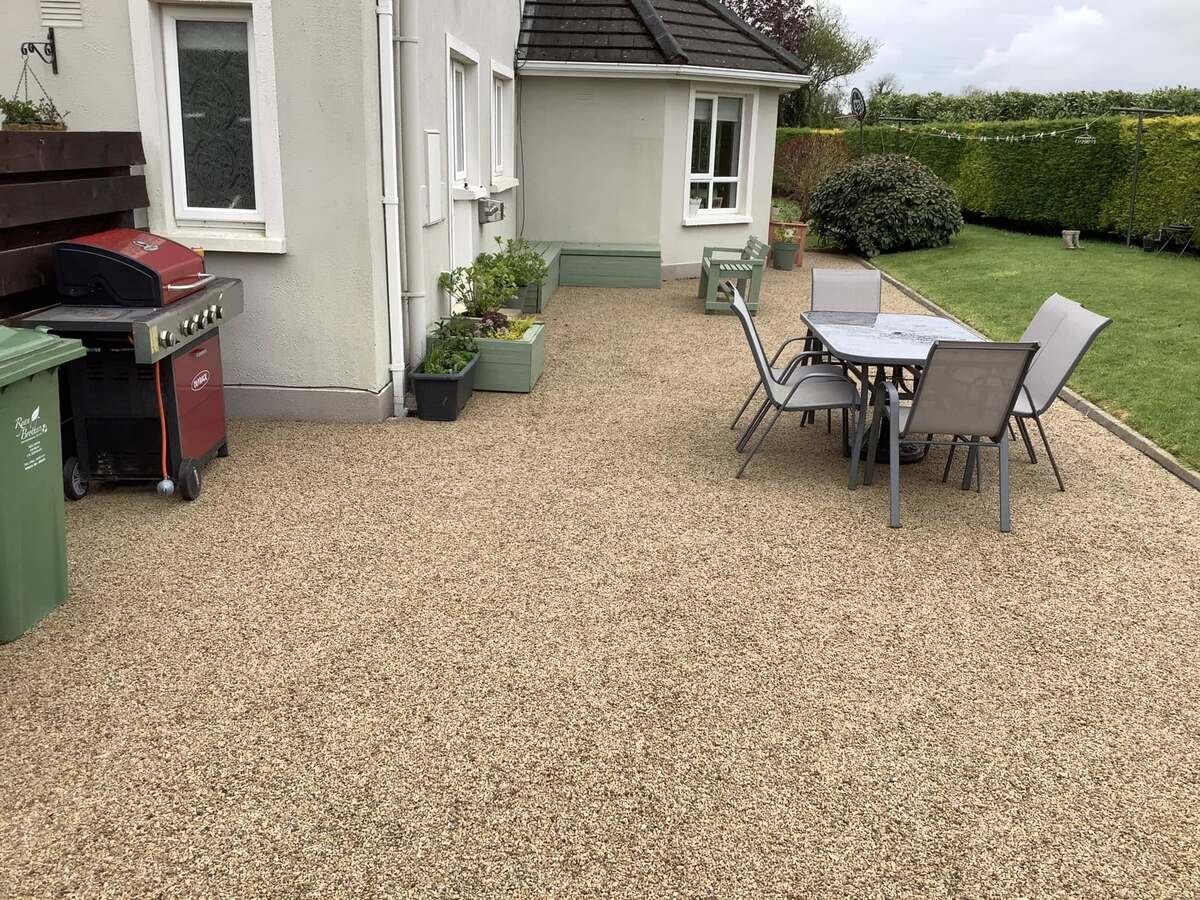
Driveway Kerbing & Concrete Edging in Cashel, Co. Tipperary
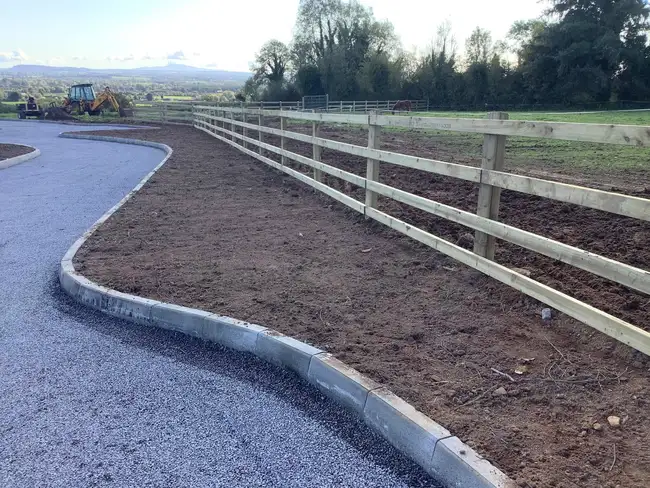
A well-laid kerb does more work than most homeowners realise. Beyond marking where your driveway ends and your garden begins, driveway kerbing controls how rainwater moves across your property, stops loose chippings and gravel migrating onto the lawn, and protects the edge of your tarmac or tar-and-chip surface from the cracking that comes with years of car tyres running over an unsupported edge.
At Downey Construction we've been installing driveway kerbs, garden kerbs and concrete edging across Cashel and the wider Tipperary area for 35 years. Whether you need a full driveway re-kerbed, a border of concrete garden edging separating a flower bed from the lawn, or kerb edging that ties a new tar-and-chip driveway together, we source our concrete kerbing from Irish suppliers and install it to last.
Do You Need Driveway Kerbing?
If any of the following sound familiar, kerbing is worth adding to your project:
- Loose stone or chippings keep spreading onto your lawn or path after rain or regular driving.
- Water pools at the edge of your driveway or runs off in a way that's eroding the grass verge or flower beds.
- Your existing tarmac or tar-and-chip surface is starting to crumble or break away at the edges.
- You want a defined, tidy boundary between the driveway and the rest of the garden — particularly ahead of a resurfacing job.
- You're laying a new driveway from scratch and want it finished properly rather than left to feather out into gravel or grass.
Garden Kerbs
We can source a wide range of garden kerbs to suit your design preferences and budgetary constraints. From classic concrete kerbs to natural stone edging, we use only the highest quality materials from trusted suppliers in Ireland to ensure the durability of your kerbing.
Do I need driveway kerbing?
Driveway kerbs provide both practical and aesthetic benefits. Whether you're looking to enhance the look of your driveway or improve its functionality, installing the right kerb can make a significant difference.
Benefits of Professional Kerb and Concrete Edging Installation
-
Water Management: Correctly laid kerbing channels rainwater to drains or soak-aways instead of letting it pool on the surface or wash out the ground beside it — the single biggest cause of driveway edge damage we see on call-outs.
-
Visual Appeal: A well-chosen kerb can significantly improve the visual appeal of your driveway, adding a finished and polished look. With various styles and materials available, you can select a kerb that complements your home and driveway.
-
Durability: Kerbing physically supports the edge of tarmac and tar-and-chip surfaces, which is exactly where they're most likely to crack and break up under the weight of a car tyre without that support.
-
Boundary definition: Kerbs provide a clear demarcation between the driveway and other areas, such as lawns or pedestrian pathways. This helps in organising your outdoor space and preventing accidental damage to your lawn and other areas.
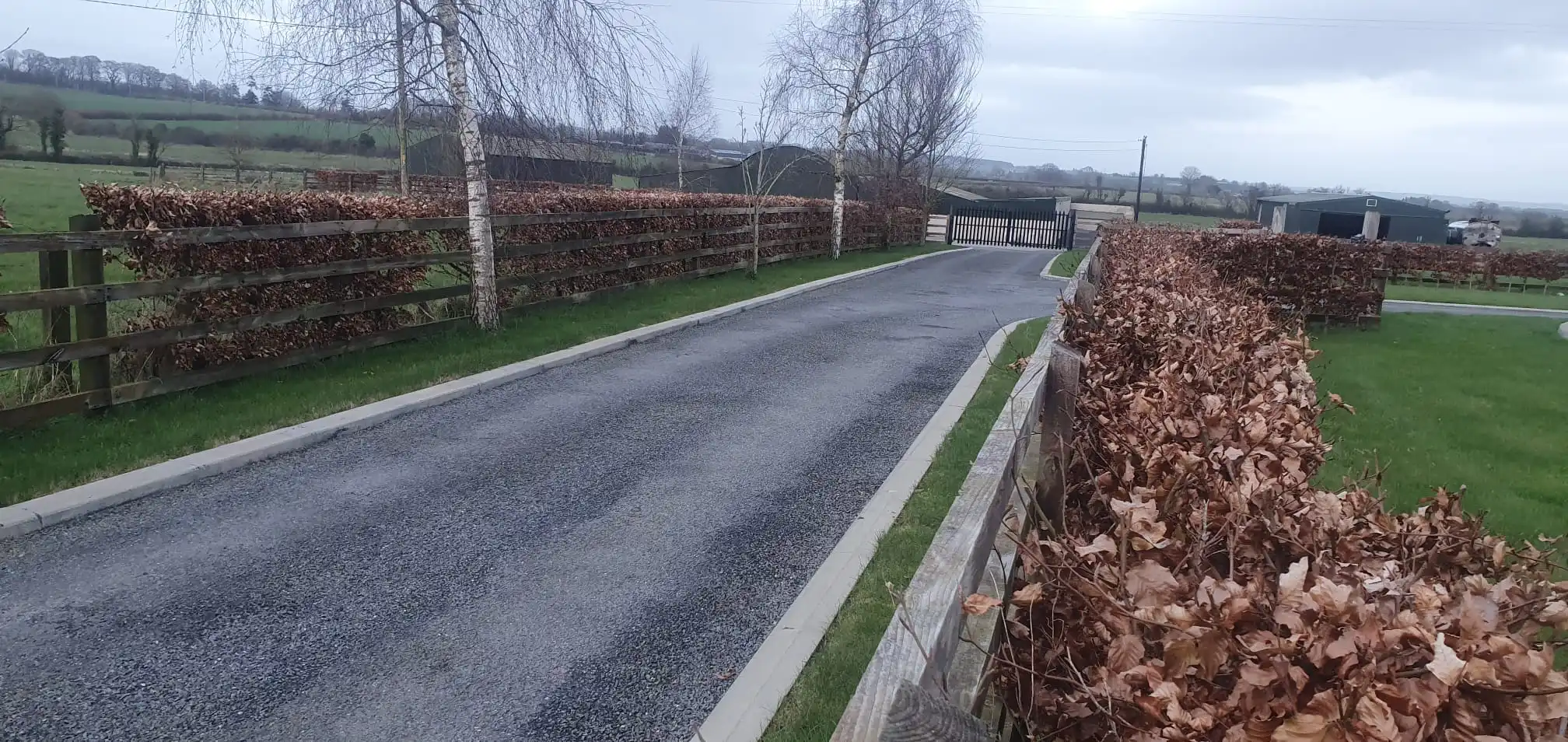
Types of Driveway Kerbs We Install
-
Flat Kerbs: a low-profile, understated edge that sits close to ground level. A popular choice for garden kerbs and concrete edging where you want definition without a pronounced step.
-
Bullnose Kerbs: rounded on the top edge, softer underfoot and safer where the kerb sits close to a walkway. A common choice for driveway kerbing on family properties.
-
Chamfered Kerbs: an angled top edge that sheds water efficiently and gives a slightly more contemporary finish than a flat or bullnose profile.
-
High Kerbs: Used to create a significant boundary, preventing vehicles from leaving the driveway. a taller upstand used where you need a stronger physical barrier — for example, containing a steep driveway gradient or holding back a raised bed alongside concrete garden edging.
Choosing the Right Kerb for Your Driveway
The right profile depends on your driveway's gradient, how the kerb line interacts with paths and doorways, and whether the job is purely functional (drainage, containment) or also decorative (a border for garden kerbs or concrete edging around planting). We'll assess all of this on site and talk you through the trade-offs before you commit — there's no one-size-fits-all answer, and it's a five-minute conversation that saves getting it wrong.
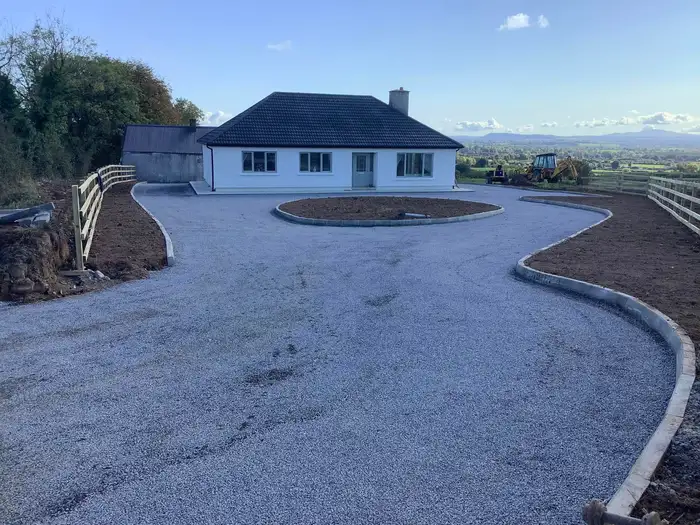
Installation Process
-
Site Preparation: The area where the kerb will be installed is carefully measured and prepared. This includes excavating the site and ensuring a stable base.
-
Laying the Kerbs: Kerbs are laid in place, aligned, and secured using mortar or other adhesives. Precision is crucial to ensure a uniform and professional finish.
-
Finishing Touches: Once the kerbs are set, the surrounding area is backfilled and compacted. Any excess materials are cleaned up, leaving the driveway looking neat and complete.
Cost of Driveway Kerb Installation
The cost of installing driveway kerbs varies based on the type of kerb, the length of the driveway, and local labor rates. On average and depending on the size you can expect to pay between 25/35 euro per metre., including materials and installation.
Maintenance Tips
Regular maintenance of driveway kerbs involves cleaning to remove debris, inspecting for any damage, and making necessary repairs. This helps in maintaining their appearance and functionality over time.
- Clear debris, leaves and moss from joints periodically so water can't sit and freeze against the concrete.
- Check for hairline cracking after hard frosts and have any movement looked at early rather than left.
- Keep an eye on the ground either side of garden kerbs — settling soil can undermine the base over time.
Conclusion
Driveway and garden kerb installation is an excellent investment for homeowners looking to enhance their driveway's functionality and appearance. With various options available, you can choose a kerb that suits your needs and complements your home.
Talk to the professionals at Downey Construction to ensure a flawless installation.
Frequently Asked Questions
A driveway kerb serves multiple purposes, including preventing vehicles from driving onto lawns or pedestrian areas, directing water runoff, enhancing the aesthetic appeal of the driveway, and providing a clear boundary between the driveway and other surfaces.
Yes, certain types of kerbs are designed to assist with driveway drainage by directing water runoff away from the driveway and into designated drainage areas, helping to prevent water accumulation and damage.
Common materials include concrete, stone, brick, and sometimes plastic or metal for specific applications. The choice of material depends on the desired durability, aesthetics, and budget.
Hiring a professional ensures that the kerbs are installed correctly, which is essential for their longevity and functionality. Professionals have the expertise to handle any challenges that may arise during installation and can provide advice on the best materials and designs for your driveway.
What Our Customers Say
Google Reviews
Thanks again Paul for everything,delighted with the finish. Brilliant service from start to finish -John G O'DwyerGet a Quote Today!
Transform your driveway into a stunning focal point with our professional tar and chip installation services. Contact us today to schedule a consultation and discover how we can bring your vision to life.
Call us at Tel: 087 253 1576 or fill out our online contact form to schedule your appointment.