
Is tar and chip driveway better than gravel?
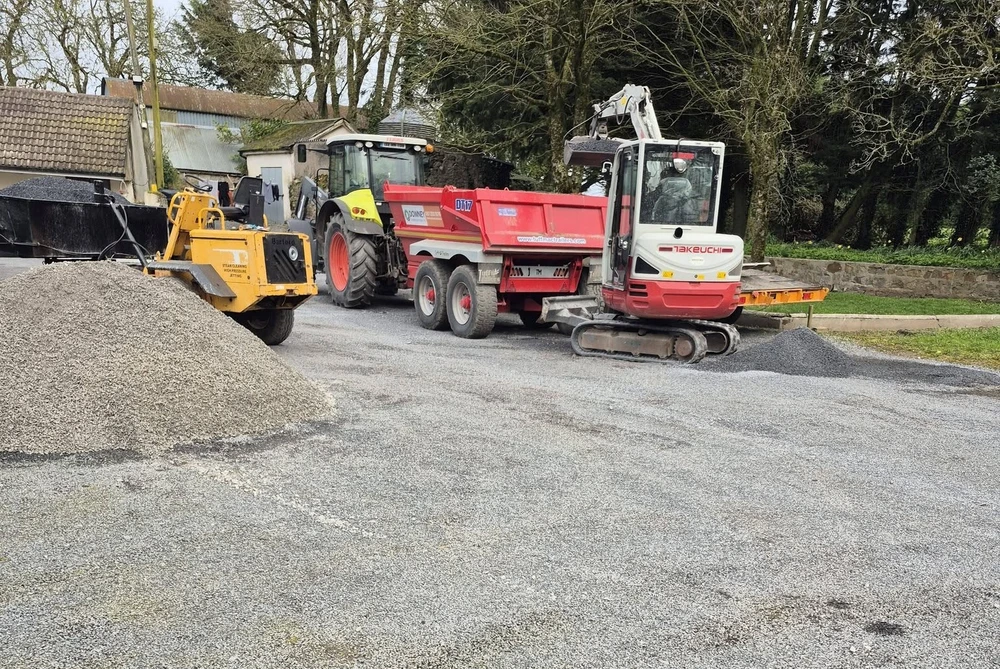
Is a Tar and Chip Driveway Better Than Gravel?
When it comes to choosing the right surface for your driveway, two popular options often come up: tar and chip and gravel. Both are cost-effective alternatives to asphalt or concrete, but they offer different benefits depending on your priorities.
So, is a tar and chip driveway better than gravel? The answer depends on what you're looking for in terms of durability, appearance, maintenance, and budget.
What Is a Tar and Chip Driveway?
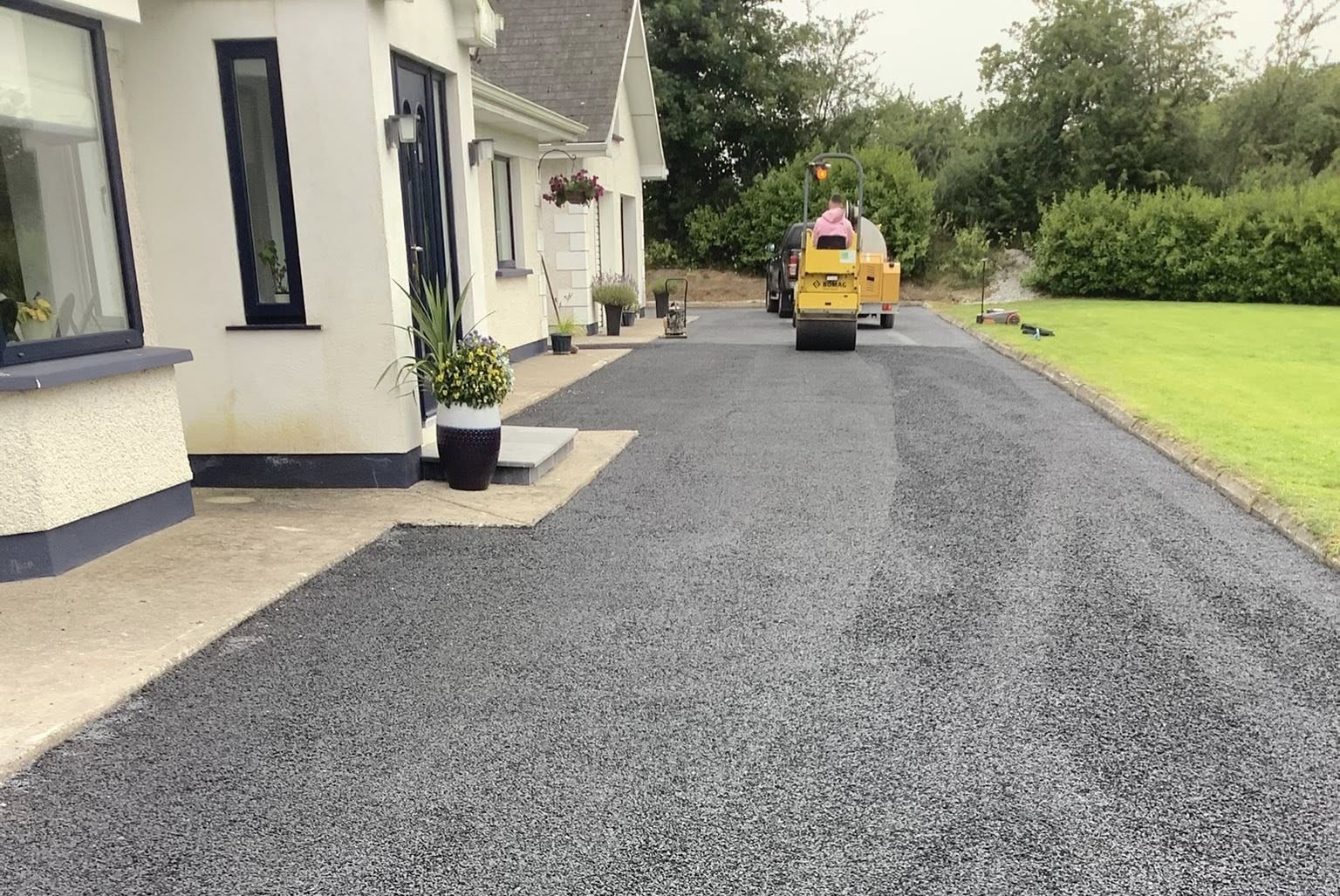
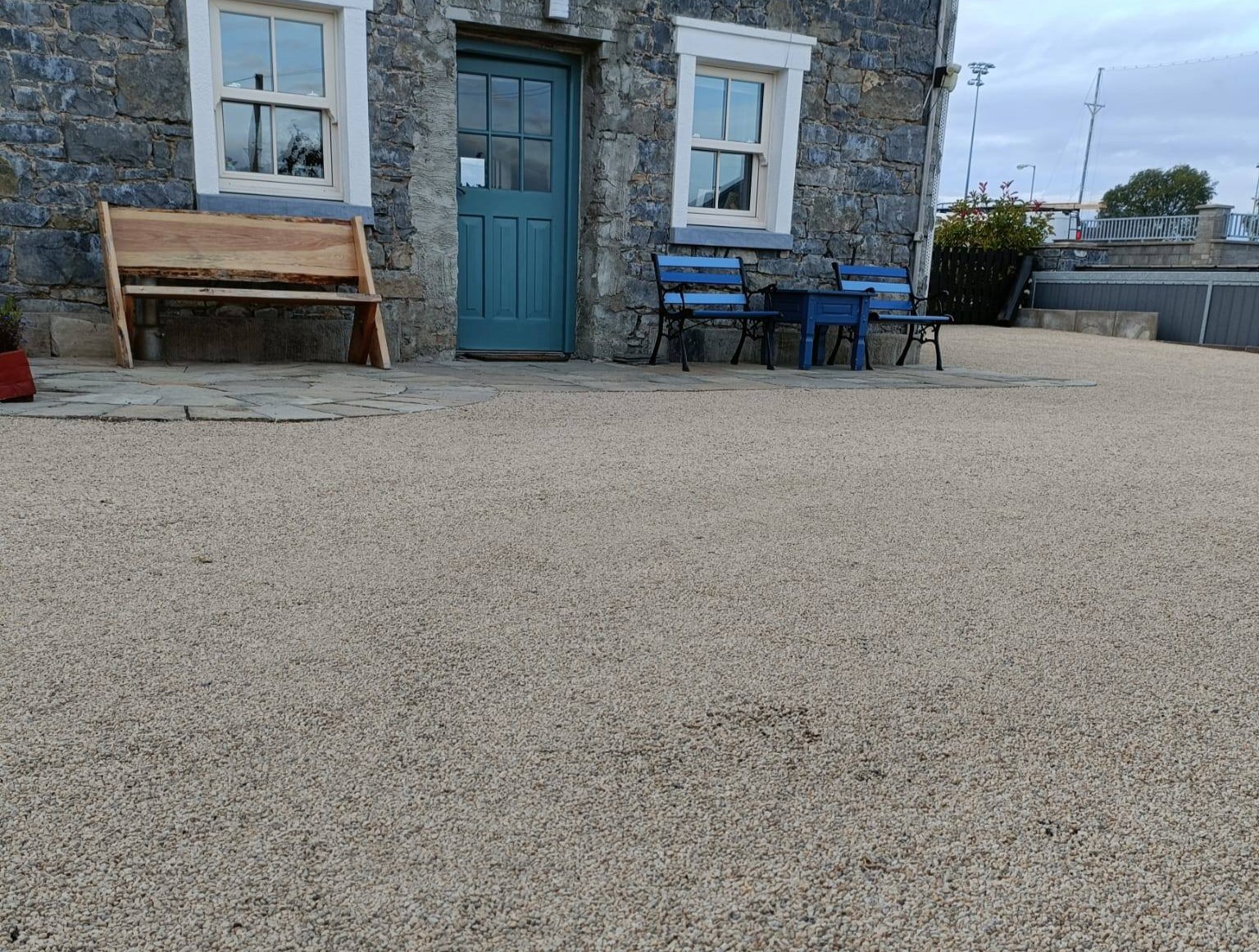
A tar and chip driveway, also known as chip seal, is created by applying a hot liquid asphalt layer to a prepared surface and then covering it with loose stone chips.
The stones are compacted into the asphalt, creating a textured, durable finish that combines elements of both asphalt and gravel.
What Is a Gravel Driveway?
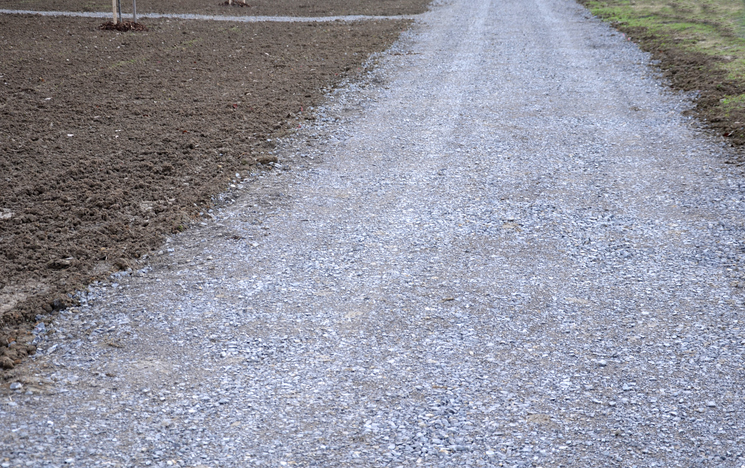
Gravel driveways are made by layering crushed stone or loose aggregate over a prepared base. They're one of the most affordable driveway options and are especially common in rural or large properties because of the length and distance of the driveway.
Key Differences Between Tar and Chip and Gravel
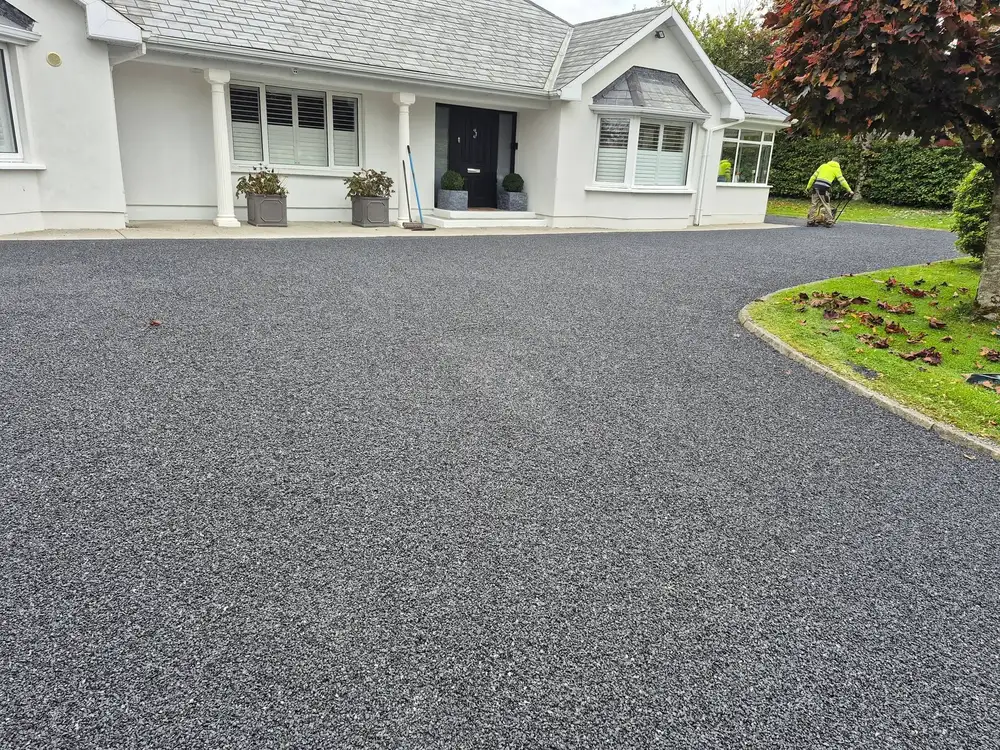
1. Appearance
Tar and chip driveways tend to look more refined and uniform than gravel. The embedded stones create a cohesive surface that can be customised with different stone colors for a more polished finish.
Gravel, on the other hand, has a looser, more rustic look that can appear uneven over time and car allow weeds to permeate through the stones.
2. Durability
Tar and chip is generally more durable than gravel. Because the stones are sealed into the asphalt layer, they're less likely to shift or scatter. Gravel driveways can develop ruts, potholes, and displacement—especially in high-traffic, sloped driveway areas, or after heavy rain.
3. Maintenance
Gravel driveways require regular maintenance, including raking, topping up stones, and filling in low spots. If you driveway is on a slope the level of maintenance may increase. Weeds can also be an issue that you need to keep on top of.
Tar and chip surfaces need less frequent upkeep, though they may require resealing or patching after several years.
4. Cost
Gravel is typically the cheapest option upfront. Tar and chip costs more initially due to materials and installation, but it can offer better long-term value because of its lower maintenance requirements.
5. Drainage
Both options provide good drainage, but gravel excels in this area due to its loose structure. Tar and chip also allows water to drain through small gaps between stones, but it is slightly less permeable than gravel. Tar and chip can however benefit from built in drainage that wont become blocked by loose chippings.
6. Traction and Safety
Tar and chip surfaces offer excellent traction thanks to their textured finish, making them suitable for slopes and wet conditions. Gravel can also provide good grip, but loose stones may shift underfoot or under tires.
Pros and Cons at a Glance
Tar and Chip Pros:
- More durable and stable than gravel
- Attractive, customizable finish
- Lower maintenance over time
- Good traction
Tar and Chip Cons:
- Higher upfront cost
- Limited repair options compared to gravel
Gravel Pros:
- Very affordable
- Easy to install and repair
- Excellent drainage
Gravel Cons:
- Requires frequent maintenance
- Can shift, scatter, and form ruts
- Less polished appearance
Which Is Better for Your Driveway?
If you're looking for a long-lasting, visually appealing driveway with minimal maintenance, tar and chip is often the better choice. It strikes a balance between the affordability of gravel and the durability of asphalt.
However, if budget is your main concern or you prefer a more rustic look, and don't mind occasional upkeep, gravel remains a solid option.
Final Verdict
Tar and chip driveways are generally better than gravel in terms of durability, appearance, and maintenance. While the initial investment is higher, many property owners find the long-term benefits outweigh the cost. That said, gravel still holds its place as a practical, budget-friendly solution for certain settings.
Ultimately, the best choice depends on your property, usage needs, and budget.
Consulting with a professional contractor can help you determine which option will deliver the best results for your property. Call Downey Construction today if you have any questions about your driveway installation.
See Previous Blog Post:
Tips for Maintaining Your Tar and Chip Driveway from Paul Downey Tar and ChipLatest Posts
Get in Touch
Contact us today to get a free quote for your tar and chip driveway installation or any of our other services. Our team of experts will provide you with a detailed estimate and answer any questions you may have.
Call us at 087 253 1576
We look forward to working with you!
Call for a Free Quote